

Jesus Interpreted Phonetic Utterances
- Introduction
- Sources - Relevant Editions
- Mark 5:41 - sabita koumi - talitha koum - taleitha koum
- Mark 7:34 - ephphetha - ephphatha
- Mark 15:34 and Matthew 27:46 - eloui eluoi lama sabachthani - others
- See Also
Introduction
There's 3 distinct episodes in Mark where Jesus' speech is preserved phonetically in Greek letters and immediately accompanied by a Greek interpretation.
| Passage | Phonetic utterance | Greek interpretation |
|---|---|---|
| Mark 5:41 | ταλιθα κουμ | ὅ ἐστιν μεθερμηνευόμενον - which is, being interpreted |
| Mark 7:34 | εφφαθα | ὅ ἐστιν - which is |
| Mark 15:34 | ἐλωΐ ἐλωΐ λαμὰ σαβαχθανί | ὅ ἐστιν μεθερμηνευόμενον - which is, being interpreted |
They do not have to be Aramaic.
And they could easily represent Greek.
Sources - Relevant Editions
So we will consider:
| Text | Date | Language | Character |
|---|---|---|---|
| Codex Vaticanus (B/03) | c. 300–350 CE | Greek | Early Alexandrian textual tradition |
| Codex Sinaiticus (א/01) | c. 330–360 CE | Greek | Early Alexandrian, with distinctive readings |
| Codex Bezae (D/05) | c. 400–500 CE | Greek and Latin | Western textual tradition, especially distinctive in Acts |
| Textus Receptus (TR) | 1516 onward | Greek | Printed edition based mainly on late Byzantine manuscripts |
| Nestle 1904 | 1904CE | Greek | Critical printed edition comparing earlier scholarly editions, substantially reflecting ancient manuscript evidence |
What makes each manuscript or edition important?
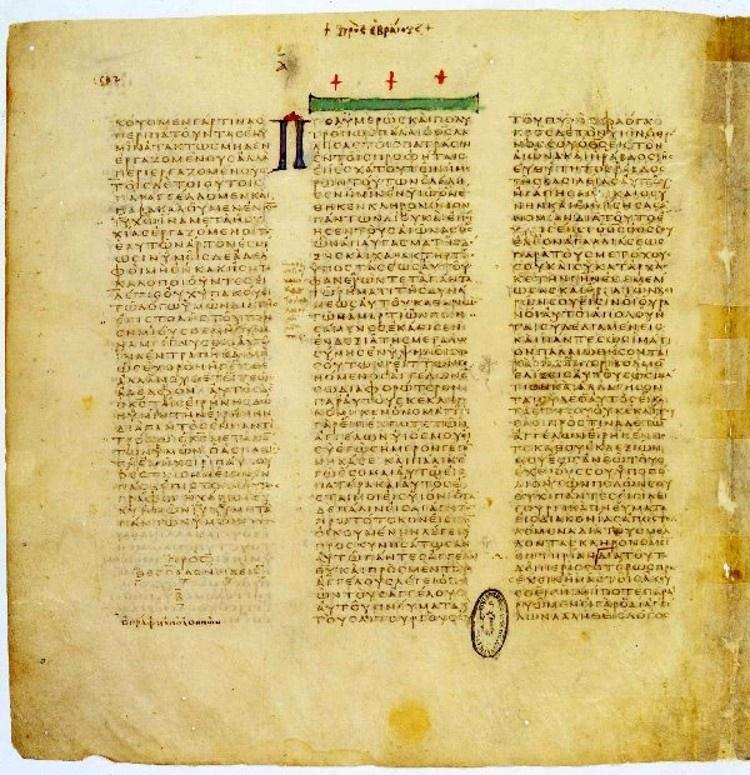 | Codex Vaticanus (B/03) | Probably the strongest single manuscript of these five for reconstructing many early New Testament readings. Its text is relatively concise, and it frequently agrees with earlier papyri. It is particularly important for the Gospels. However, it has omissions and gaps, and its original surviving text ends at Hebrews 9:13, leaving the later epistles and Revelation absent. |
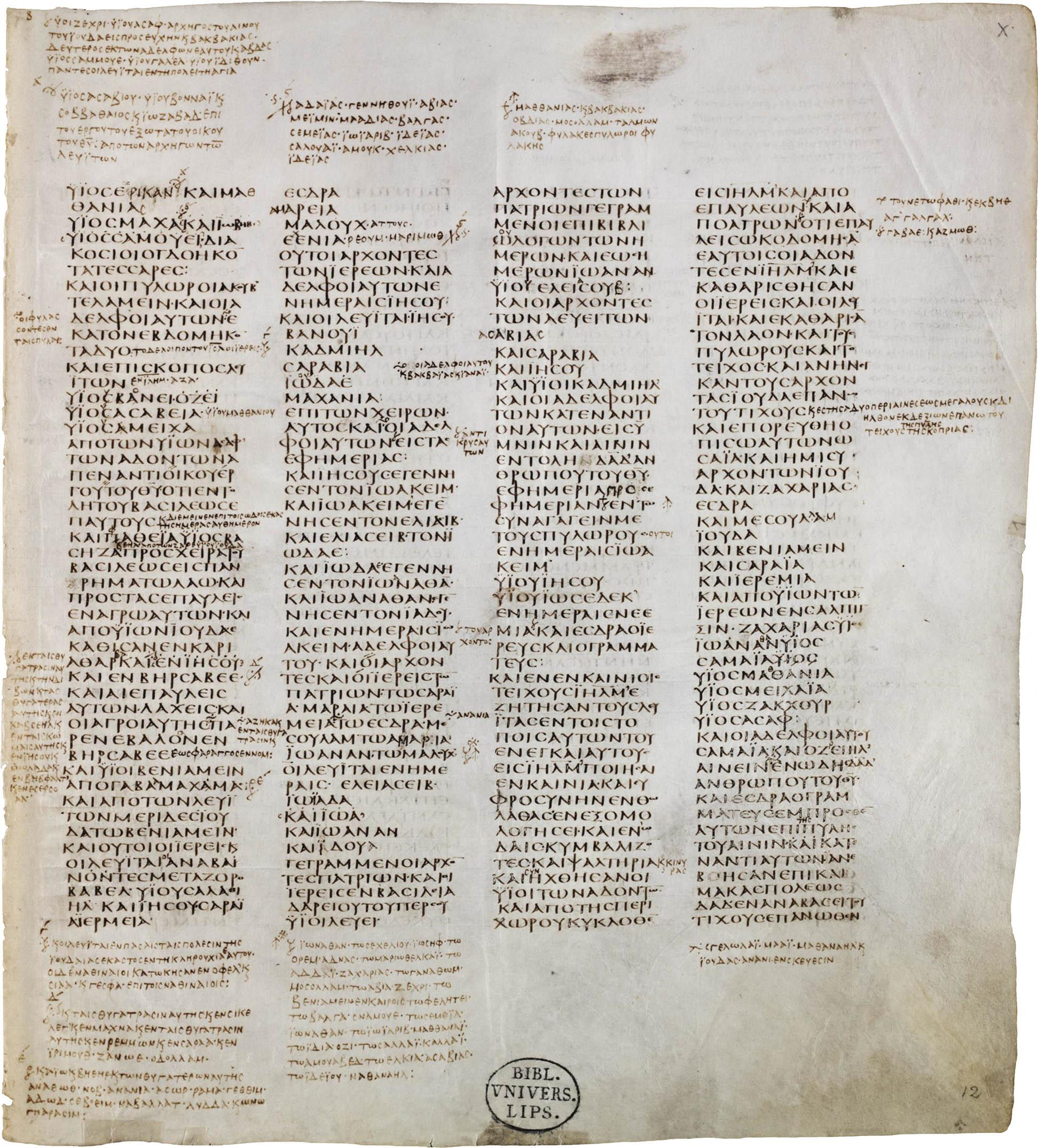 | Codex Sinaiticus (א/01) | One of the oldest surviving nearly complete Christian Bibles and the oldest surviving complete Greek New Testament. It contains all 27 New Testament books, followed by the Epistle of Barnabas and part of the Shepherd of Hermas. Multiple scribes and later correctors worked on it, so its original readings must be distinguished from corrections. Its completeness makes it especially useful alongside Vaticanus. |
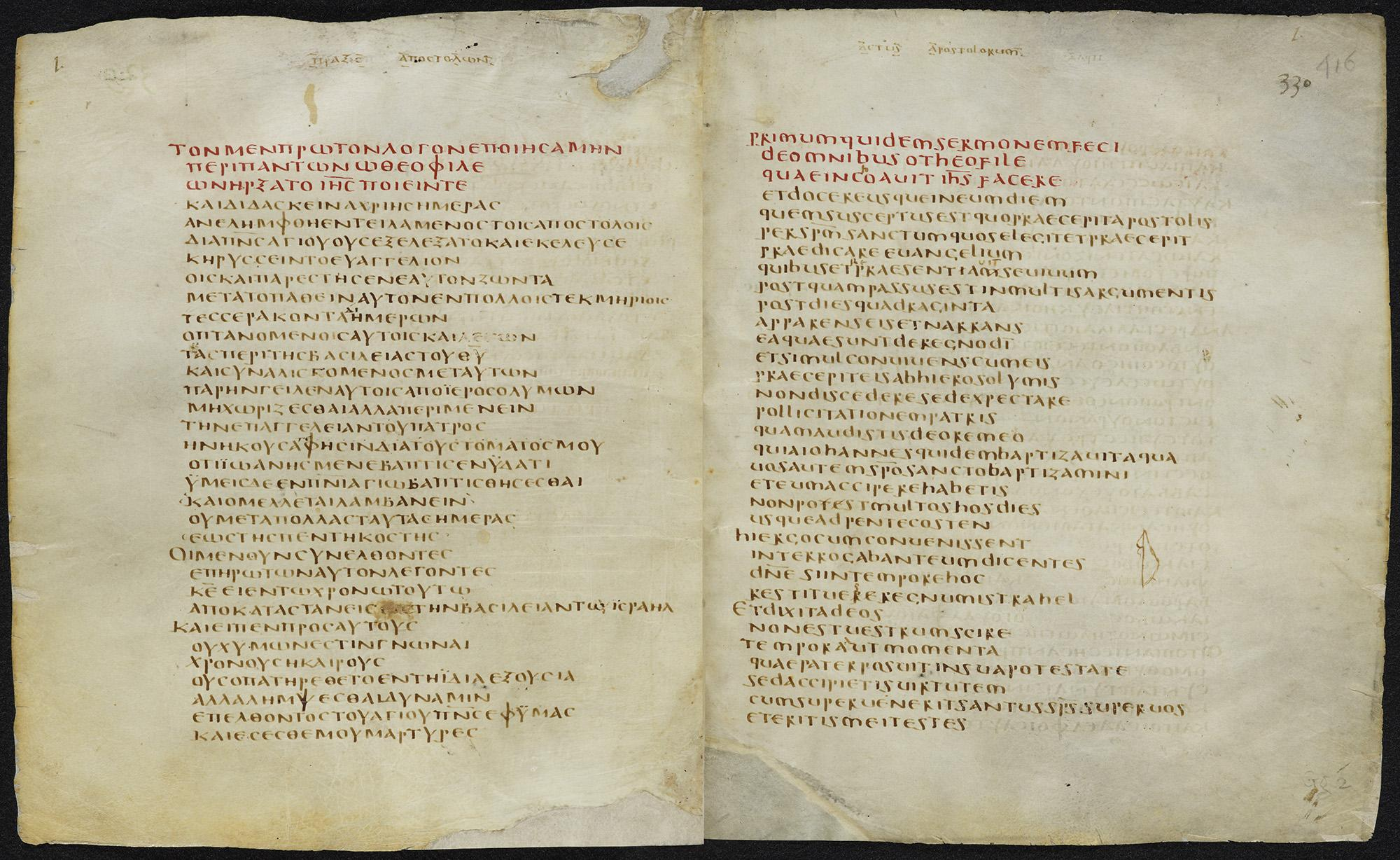 | Codex Bezae (D/05) | The most intriguing of these manuscripts for studying alternative early textual traditions. It preserves Greek and Latin on facing pages, with the Gospels and much of Acts. Its version of Acts is approximately 8% longer than the usual Greek text. It contains additional narrative details, different wordings, and distinctive episodes. Its manuscript is younger, but its underlying textual tradition is demonstrably older than the surviving codex. |
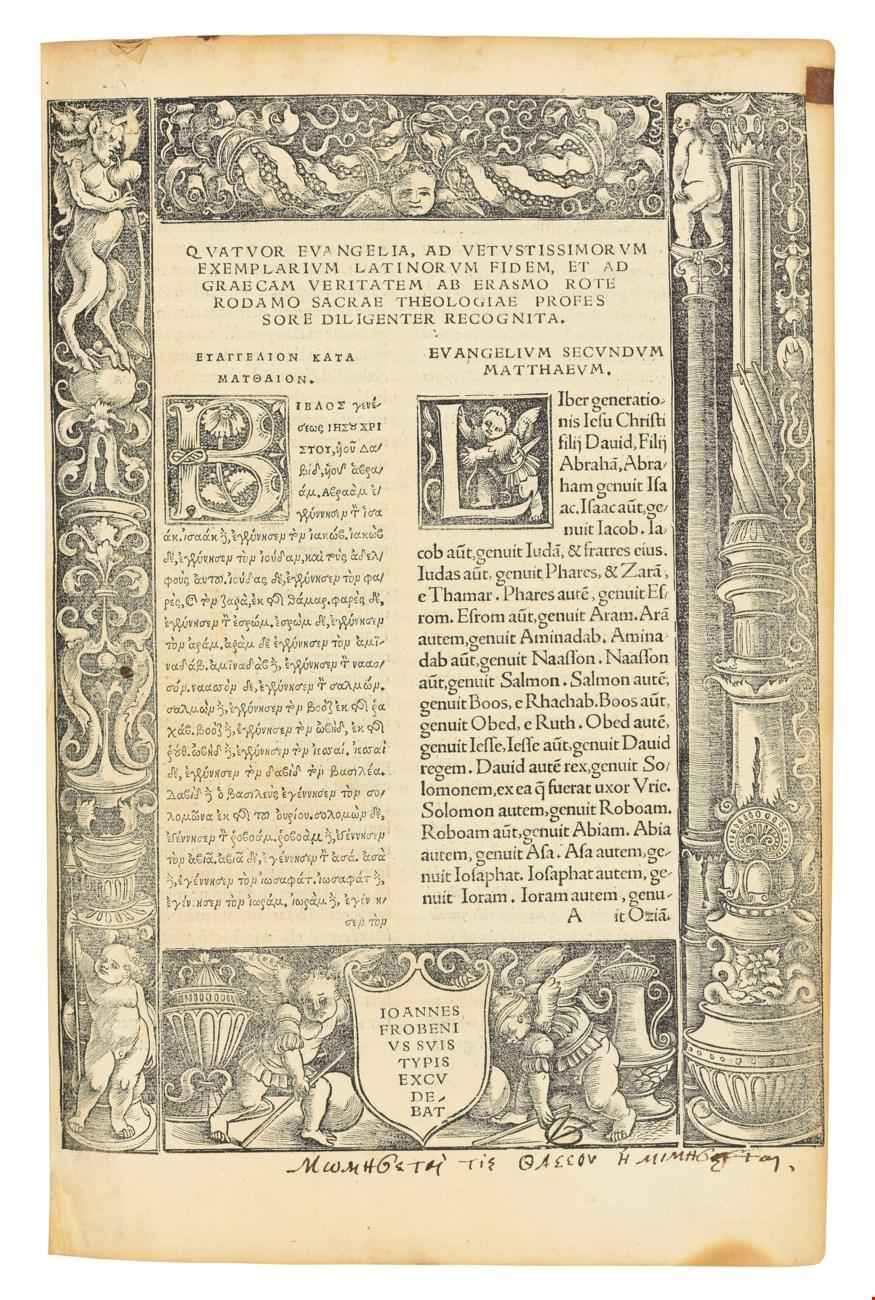 | Textus Receptus (TR) | A family of Renaissance printed Greek New Testaments, not one ancient manuscript. Erasmus published his first edition in 1516 using a small collection of relatively late Greek manuscripts. Subsequent editions by Stephanus, Beza, and the Elzevirs developed the printed tradition. Its Byzantine readings are valuable witnesses to Greek textual transmission, but the edition itself has no independent claim to antiquity. |
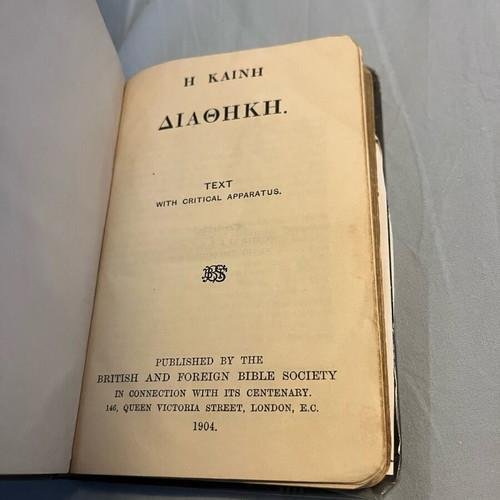 | Nestle 1904 - Novum Testamentum Graece | A modern critical edition of the Greek New Testament, published by Eberhard Nestle in 1904. Rather than directly transcribing one ancient codex, Nestle constructed an editorial Greek text by comparing major existing critical editions, particularly those of Tischendorf, Westcott–Hort, and Bernhard Weiss. Where two agreed, their reading generally prevailed. Consequently, Nestle 1904 frequently follows the Alexandrian textual tradition represented by Vaticanus and Sinaiticus, but it is not identical to either manuscript. Its importance is that it provides a consistent, accessible Greek text reflecting nineteenth-century textual criticism. It is an editorial reconstruction, not an independent ancient witness. For philological research, its readings should be checked against the actual manuscripts whenever a textual variant materially affects the interpretation. |
Mark 5:41 - sabita koumi - talitha koum - taleitha koum
Mark 5:41 varies between each codex
- θαβιτα κουμι (sabita koumi)
- ταλιθα κουμ (talitha koum)
- ταλειθα κουμ (taleitha koum)

θαβιτα κουμι
sabita koumi

ταλιθα κουμ
talitha koum

ταλειθα κουμ
taleitha koum
Mark 7:34 - ephphetha - ephphatha
Mark 7:34 varies between each codex by only 1 character: epsilon (ε) changes to alpha (α).
- εφφεθα (ephphetha)
- εφφαθα (ephphatha)

εφφεθα

εφφαθα

εφφαθα
Mark 15:34 and Matthew 27:46 - eloui eluoi lama sabachthani - others
We see a phonetic pattern in the sabachthani utterance. See sabachthani for the full analysis of these texts, showing a phonetic preservation of Greek words.
- Codex Vaticanus (325–350 CE)
- Mark 15:34: ελωι ελωι λαμα ζαβαφοανε (eloui eloui lama dzabaphoane)
- Matthew 27:46: ΕΛΩΕΙ ΕΛ(ΩΕΙ) ΛΕΜΑ ϹΑΒΑΚΤΑΝΕ (elouei elouei lema sabaktane)
- Codex Sinaiticus (330–360 CE)
- Mark 15:34: Ελωΐ Ἐλωΐ λαμὰ σαβαχθανί (eloui eloui lama sabachthani)
- Matthew 27:46: Ἠλί Ἠλί λαμὰ σαβαχθανί (eli eli lama sabachthani)
- Codex Bezae (400–500 CE)
- Mark 15:34: ηλει ηλει λαμα ζαφθανει (elei elei lama zaphthanei)
- Matthew 27:46: ηλει ηλει λαμα σαφθανει (elei elei lama saphthanei)
- Textus Receptus (1550CE)
- Mark 15:34: ἐλωὶ ἐλωὶ λαμμᾶ σαβαχθανί (eloui eloui lamma sabachthani)
- Matthew 27:46: Ἠλί Ἠλί λαμὰ σαβαχθανί (eli eli lama sabachthani)
- Nestle 1904 (1904CE)
- Mark 15:34: Ἐλωΐ Ἐλωΐ λαμὰ σαβαχθανί (eloui eloui lama sabachthani)
- Matthew 27:46:
- Ἡλί Ἡλί λεμὰ σαβαχθανί (heli heli lema sabachthani)
- Ἡλεὶ Ἡλεὶ λεμὰ σαβαχθανεί (helei helei lema sabachthanei)

ελωιελωιλαμαζαβαφοανε
elouielouilamadzabaphoane (or phthane)
with spacing:
ελωι ελωι λαμα ζαβαφοανε
eloui eloui lama dzabaphoane (or phthane)

ΕΛΩΕΙΕΛ(ΩΕΙ)ΛΕΜΑϹΑΒΑΚΤΑΝΕ
ELOUEIELOUEILEMASABAKTANE
with spacing:
ΕΛΩΕΙ ΕΛ(ΩΕΙ) ΛΕΜΑ ϹΑΒΑΚΤΑΝΕ
elouei elouei lema sabaktane
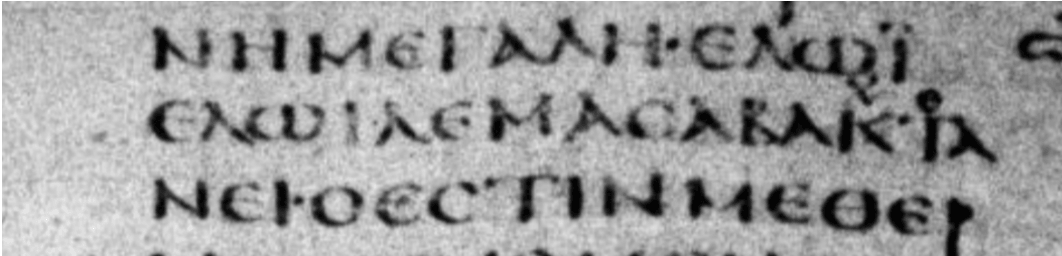
ΕΛΩΙΕΛΩΙΛΑΜΑΣΑΒΑΧΘΑΝΙ
ELOUIELOUILAMASABACHTHANI
with later editorial addition of spacing + punctuation (marks):
Ελωΐ Ἐλωΐ λαμὰ σαβαχθανί
eloui eloui lama sabachthani

ΕΛΩΪ ΕΛΩΪ ΛΕΜΑ ϹΑΒΑΧΘΑΝΕΙ
eloui eloui lema sabachthanei

ηλει ηλει λαμα ζαφθανει
elei elei lama zaphthanei

ηλει ηλει λαμα σαφθανει
elei elei lama saphthanei
Novum Testamentum Graece, ed. Desiderius Erasmus, later revised by Robert Estienne (Stephanus) and Theodore Beza. Basel / Paris / Geneva, 1516–1604.

ΕΛΩΙΕΛΩΙΛΑΜΜΑΣΑΒΑΧΘΑΝΙ
elouielouilammasabachthani
ἐλωὶ ἐλωὶ λαμμᾶ σαβαχθανί
eloui eloui lamma sabachthani
Novum Testamentum Graece, ed. Desiderius Erasmus, later revised by Robert Estienne (Stephanus) and Theodore Beza. Basel / Paris / Geneva, 1516–1604.

ΗΛΙΗΛΙΛΑΜΑΣΑΒΑΧΘΑΝΙ
elielilamasabachthani
with later editorial addition of spacing + punctuation (marks):
Ἠλί Ἠλί λαμὰ σαβαχθανί
eli eli lama sabachthani
Ἐλωΐ Ἐλωΐ λαμὰ σαβαχθανί
eloui eloui lama sabachthani
Ἡλί Ἡλί λεμὰ σαβαχθανί
heli heli lema sabachthani
sometimes as:
Ἡλεὶ Ἡλεὶ λεμὰ σαβαχθανεί
helei helei lema sabachthanei
NOTE: some editions choose to print it as Ἡλί ("hay-lee" rough breathing) to indicate an h- sound (“Hēli”), while others print Ἠλί ("ay-lee" smooth breathing) (“Ēli”). But those ancient sources don't decide that - they only give ΗΛΙ.
See sabachthani for the full analysis of these texts, showing a phonetic preservation of Greek words.
See Also
- sabachthani shows a phonetic preservation of Greek words, in Mark 15:34 and Matthew 27:46.